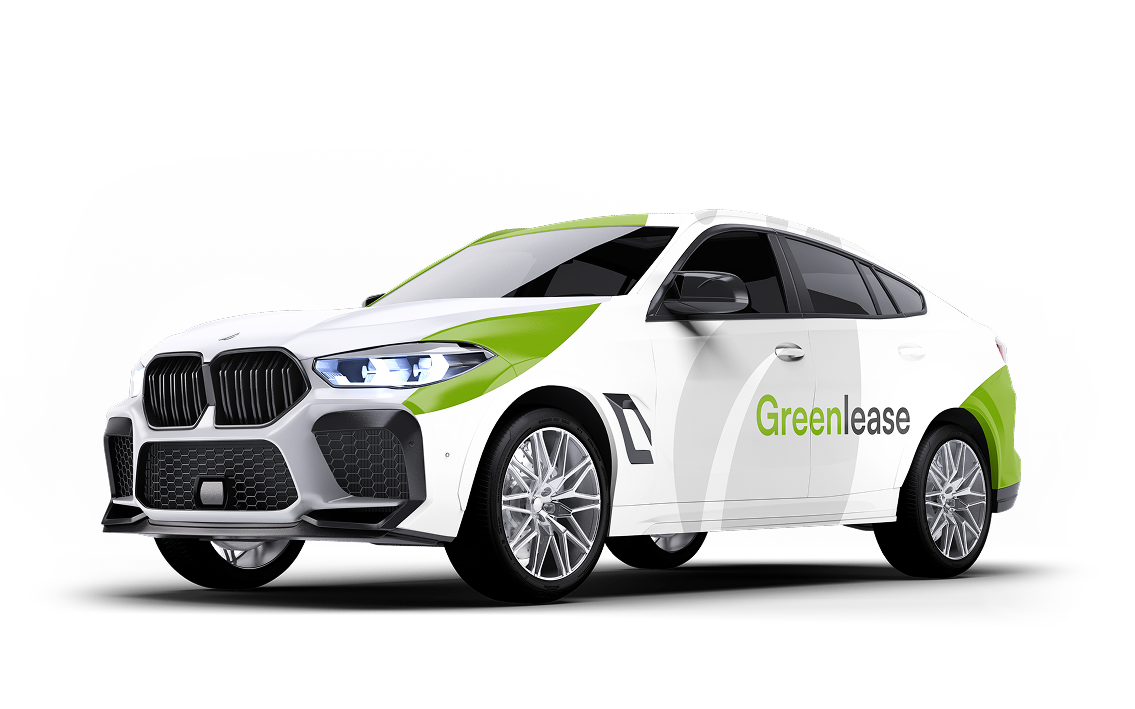



About Car Performance Rentals
Ar žinojote, kad galite vairuoti naują automobilį kas mėnesį už fiksuotą sumą, nesirūpindami draudimu, remontu ar technine priežiūra?
Automobile operating lease - It's a convenient way to use a vehicle without a large initial investment or maintenance worries.
Forget unexpected costs and time wasting - instead, you simply pay a clear monthly fee and drive without hassle. And when the rental period is up, you don't have to worry about selling - you can simply return the car and choose another one a new car.
Such long-term car rental is a great alternative to solutions such as leasing a car via car leasing, because it's all inclusive and you don't have to worry about buying it back or reselling it at the end of the lease term. Both natural persons, both companies can find a solution that works for them and use car leasing tailored to individual needs.
Frequently asked questions
Replacing the car during the rental period may be possible with the agreement of the lessor, but may require an additional fee or a revision of the contract terms.
- The condition of the car is assessed at the time of return.
- If damage is found that is not covered by natural wear and tear, the tenant may be invoiced for the cost of repairs.
- The car must be returned clean, roadworthy and free from any damage other than natural wear and tear.
- The lessee must return the vehicle with a full tank of fuel (if this was stipulated in the contract).
- If the vehicle is returned with defects, additional repair or cleaning charges may apply.
- Yes, but may be subject to an early termination fee or other contractual conditions.
- If the contract is terminated early, you may be required to pay the remaining instalments or the difference between the agreed period and the actual period of use
- Before the expiry of the roadworthiness test, the lessee must contact the lessor to arrange the test and issue a new roadworthiness certificate.
- If the lessee ignores this obligation and the vehicle loses its right to use the road, the lessee may be held liable.
- If the rental contract includes a seasonal tyre change service, the rental company will arrange for the tyres to be changed at the specified workshop.
- If this service is not included in the contract, the renter is responsible for changing the tyres.
Yes, if the mileage limit in the contract is exceeded during the month or the entire rental period, an additional charge may apply for each kilometre exceeded.
- Depending on the terms of the contract, this may include a maximum number of kilometres per month or for the entire rental period.
- If the rental plan does not have unlimited mileage, additional charges may apply for mileage in excess.
- Yes, but you must inform the landlord and get written permission to leave the country.
- Additional fees or requirements may apply for extending the ban to international use.
- The landlord is responsible for scheduled maintenance and warranty repairs.
- If the breakdown is due to misuse or the driver's fault, the hirer must pay the repair costs.
- If the car breaks down due to natural wear and tear or a manufacturing defect, the landlord will arrange for repairs and cover the costs.
Of course, all cars are roadworthy, and maintenance and servicing are included in the monthly fee for long-term car rental and operating leases.
Yes, if the tenant is eligible and can enforce the terms of the lease, it is possible to conclude several leases at the same time.
- The rental car can be used only the drivers named in the contract.
- If you want someone else to drive the car, they must be included in the contract. An additional driver may be subject to an extra charge.
- Replacement of the car during the rental period is possible in certain circumstances:
- If your vehicle breaks down and takes a long time to repair
- If the renter wants to upgrade to a different car class (additional charges may apply)
- Renting an activity gives you the option to use the car without a buy-back option, with the vehicle returned to the lessor at the end of the contract.
- Leasing allows the lessee to buy the car at the end of the contract by paying the residual value.
- It depends on the type of rental:
- Activities for rent A deposit is usually not required, but an advance payment may be required.
- Long-term rentals A deposit may be applied, depending on the value of the car.
- Short-term rentals A security deposit is often required, which can range from €300 or more.
To rent a car, you must be at least at least 21 years old and having at least 2 years' driving experience.
- To rent a car for long-term rental, you need the following documents:
- Valid driving licence
- Identity document (passport or ID card)
- If the lease is in the name of a company, the company's registration documents and the manager's authorisation
If the vehicle is irreparably damaged due to the fault of a third party, the insurance should cover the loss, but the renter must still submit an accident declaration and other relevant documents.
Inform the landlord. If there is no declaration, the tenant may be responsible for repairs. 🚗
In the event of a vehicle breakdown, the Hirer must immediately contact the Rental Company, who will arrange for the breakdown to be repaired.
Theft must be reported immediately to the police and to the Landlord. The Renter must also provide all documents proving the circumstances of the incident.
If the damage is caused by the fault of the tenant, the tenant is liable for the loss in accordance with the insurance rules. If the culprit is a third party, the damage is covered by the third party's insurance company.
The Renter must immediately inform the Lessor and the insurance company and submit an accident report. If necessary, the police will be called.
No, all rental vehicles must be insured. If the car is not insured, the lessor bears the full risk of any loss, except in certain cases, such as when the vehicle is driven without the right to drive.
aip, the lessor shall ensure that the vehicle is covered by compulsory third-party liability insurance throughout the rental period.
No, rental cars must be covered by the insurance cover specified by the lessor. 🚗
Yes, you can opt for additional CASCO or excess reduction insurance if this is stipulated in the contract.
Compulsory third-party liability insurance and CASCO insurance, which covers damage caused by accidents, third-party tort, fire, natural disasters and theft.
Yes, the lessor ensures that the vehicle is covered by compulsory third-party liability insurance for the duration of the rental period.
Yes, if the car is available and new terms are agreed. It is recommended to apply in advance. 🚗
Yes, by agreement with the landlord. Additional fees may apply or a new contract may be required.
If the tenant is late in paying the rent, interest or other penalties may be applied as provided for in the contract.
- For both long-term and operating rental cars, an advance payment (the contract fee and the first month's payment) may apply, but no deposit is required.
- For short-term rentals, a security deposit of EUR 300 may apply.
No, because drivers without at least 2 years of driving experience cannot rent a car.
- Payment shall be made by bank transfer to the account specified by the Lessor.
- The VAT invoice is issued and submitted by post, fax or email.
-
- Yes, rent payments are made monthly according to the VAT invoice provided.
- The monthly rental fee depends on the vehicle model, the service package chosen and market interest rates.
- The rent is based on the 6-month EURIBOR interest rate and is reviewed twice a year, in March and September.
- For long-term and performance rental, the contract fee and the first month's fee will apply, but there is no security deposit.
- A security deposit of EUR 300 may apply for short-term rentals.
-
- For short- and long-term car rental, we will contact you within 24 hours of your request.
- In the case of operating leases, the process can take several weeks.
The class of vehicle is specified in the long-term rental contract and the specific model depends on the range available. However, performance leases may have a wider range of offers to meet the customer's needs.
- Short-term rental - usually lasts from 1 day to a few weeks or a month.
- Long-term rental - from 3 months to 2 years, with the option to extend or buy the car back.
- Renting an activity - the car is used with all services (maintenance, insurance, tyres, etc.) but is returned to the lessor at the end of the rental period. The lease term ranges from 1 year to 5 years.
Leasing - a form of financing where the customer pays monthly instalments and can buy a car at the end of the contract.
If provided for in the Special Conditions, the lessee may purchase the car at the contract price or market price.
The contract is concluded by signing the Special Conditions.
Of course, please click on „Send Request“, call for information or use our self-service.
- You can sign the contract online, via self-service or at the landlord's office.
- In some cases, the contract can be concluded remotely with an electronic signature.
- If the lease is in the name of a company, additional approval or authorisation may be required.
Become a Greenlease customer
Get our best offers.